Skip to content

Cart

Your cart is empty

Magazine What Is Lucha Libre? Masks, Rules and Legends

What Is Lucha Libre? Masks, Rules and Legends

Mexico's wrestling is more than a sport: why the mask is sacred, what separates técnicos from rudos, and why Blue Demon and Tinieblas are legends to this day.

· 4 min read
Blue Demon Jr. mit Maske neben dem Plakat der Kollaboration mit ¡Ay Güey!

Outside Mexico, lucha libre usually means colourful masks, spectacular aerial moves and plenty of theatre. All true – and still not the whole story. In Mexico, lucha libre is a language, a ritual and, for almost a hundred years, a mirror of what moves the country. If you want to understand why the masks appear on murals, in museums and on our shirts today, you have to look into the ring.

A sport of the people

Modern lucha libre begins in 1933, when Salvador Lutteroth founds the Empresa Mexicana de Lucha Libre in Mexico City – today's CMLL, the oldest wrestling promotion still active anywhere in the world. From the start, lucha libre was a sport for everyone: tickets were cheap, arenas were full, and the heroes in the ring were not distant stars but neighbours, workers, people from your own barrio. Arena México, the "cathedral of lucha libre" since 1956, still holds around 16,000 people – and on Friday nights it is regularly full.

Unlike US wrestling, the emphasis is on speed and acrobatics: rapid sequences, dives from the top rope, flying moves out of the ring. Typical too are the three-man teams ("tríos") and the "best of three falls" format – whoever wins two falls first wins the match.

Técnicos versus rudos

Every bout tells the same basic story in a new form: the técnicos stand for honour, skill and fair play, the rudos for rule-breaking, cunning and raw power. The crowd knows exactly who it is cheering for – and happily switches sides when a rudo has more charm than the hero. This clear division of roles is what makes lucha libre so easy to follow, even on your first night in an arena. It is also why luchadores become figures larger than the sport itself.

Why the mask is sacred

In most cultures, a mask hides. In lucha libre, it reveals. The mask does not stand for a person but for an ideal – through it, a luchador becomes a myth, a value, a symbol. That is why the highest stake in the ring is not a title but the mask itself: in a "máscara contra máscara" match, the loser puts his identity on the line, must remove his mask in front of the crowd and give up his real name. Some luchadores wear their mask for life, outside the ring as well. El Santo, the greatest legend of all, was buried in his silver mask in 1984.

This is exactly what makes the mask one of Mexico's strongest symbols. It shows up in art, film and fashion because it tells something universal: transformation, strength, anonymity and the duty to live up to what you represent.

The legends: El Santo, Blue Demon, Mil Máscaras – and their heirs

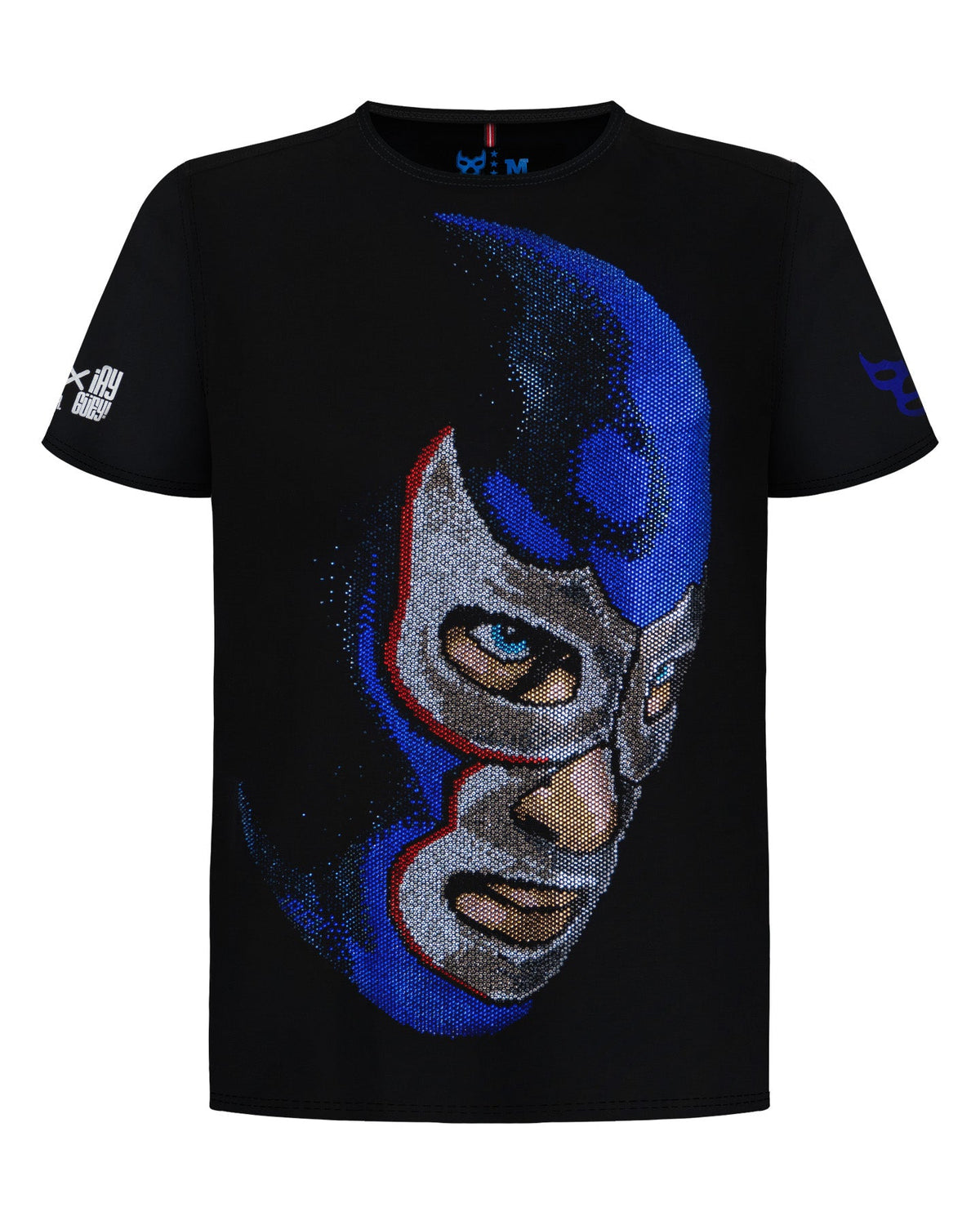
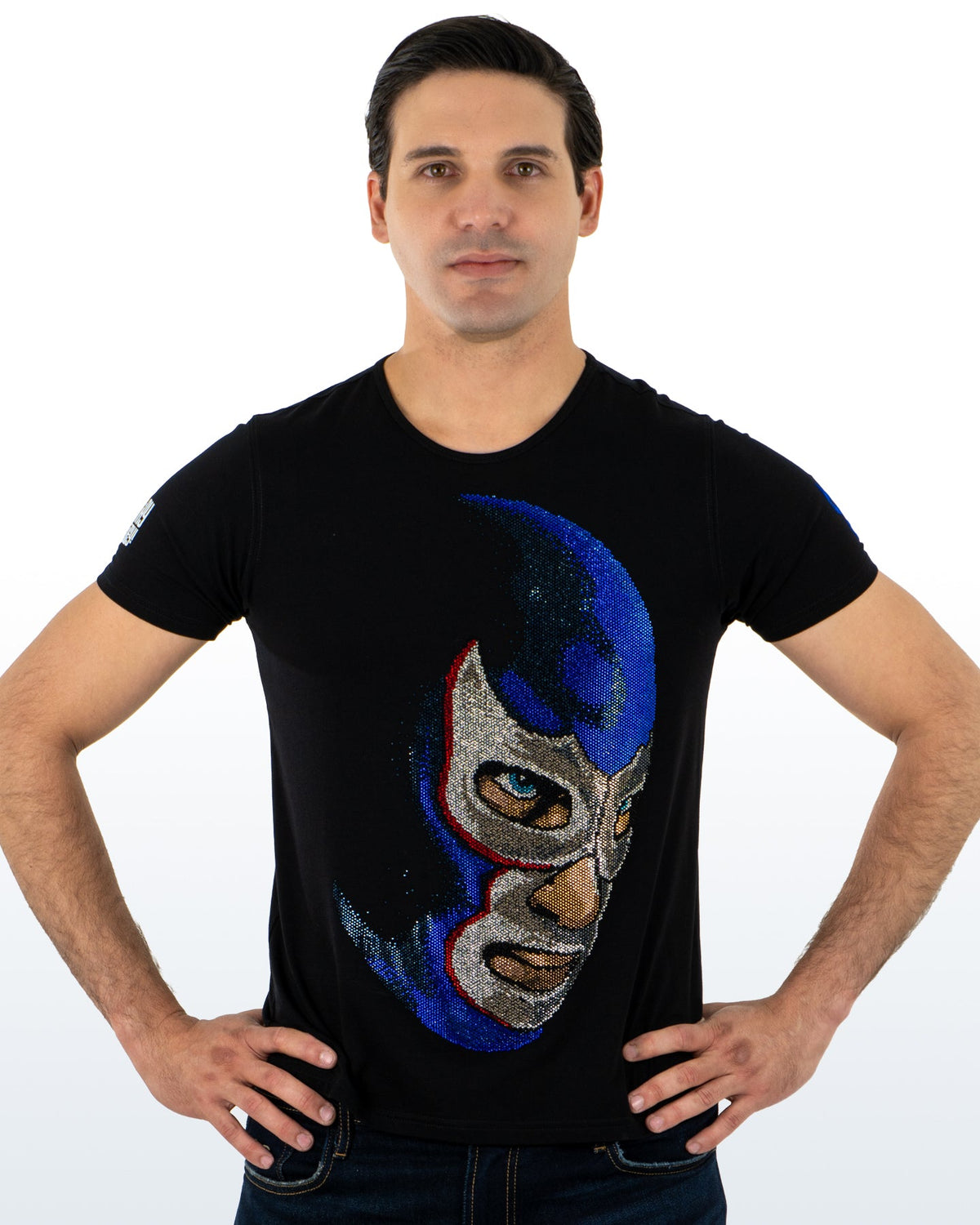
Three names carried lucha libre from the arena into cinema and pop culture between the 1950s and 70s: El Santo with the silver mask, Blue Demon with the blue one and Mil Máscaras, the "man of a thousand masks". Their films ran across Latin America, their comics came out weekly. Blue Demon was the one who took the mask most seriously: he practically never appeared in public without it and turned a costume into a promise.

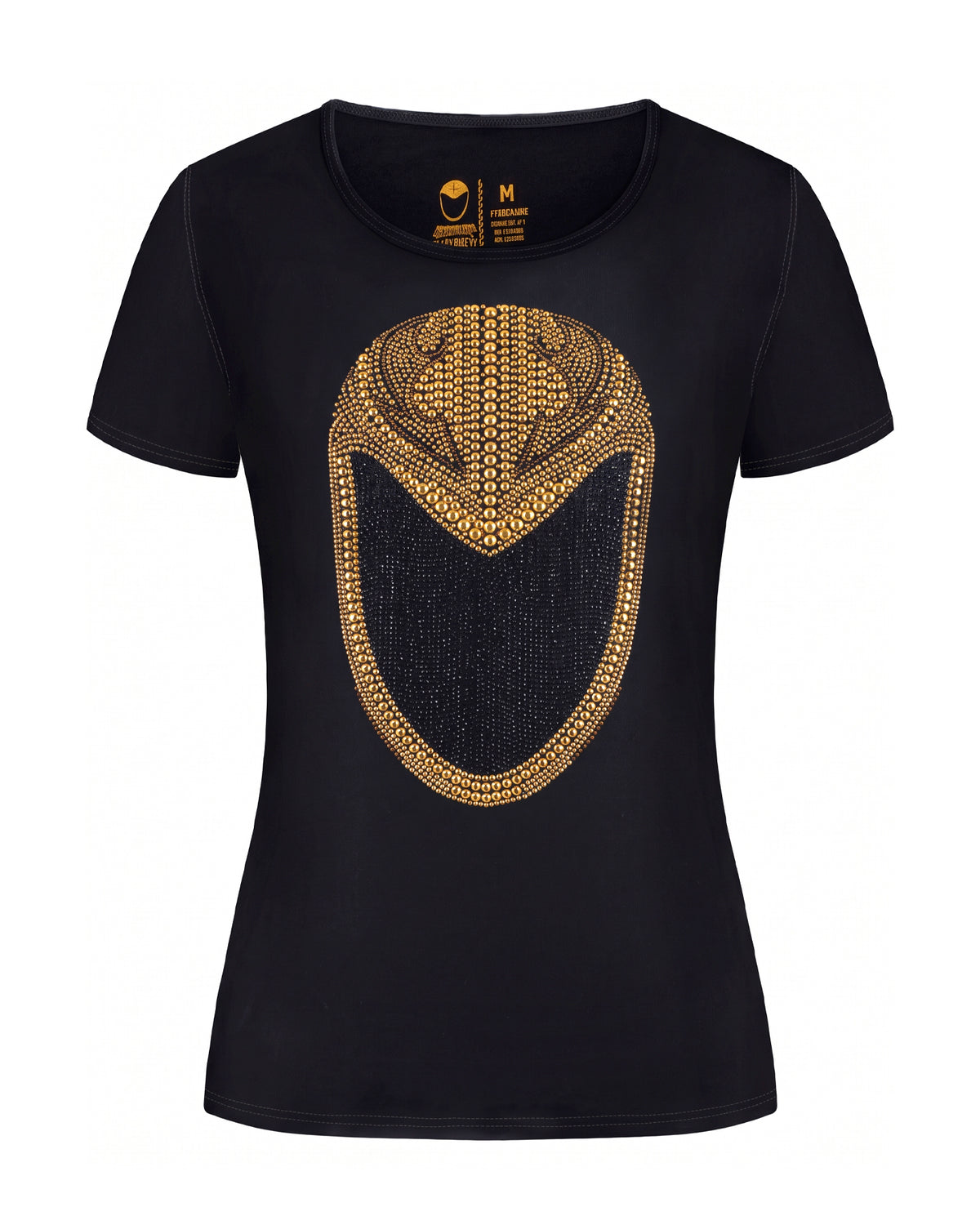
That legacy lives on in the second generation. Blue Demon Jr. has worn the blue mask since the 1980s and is a legend in his own right today. Tinieblas Jr., the "son of darkness", carries on one of Mexican wrestling's best-known characters with his golden mask, black robe and his companion Alushe. Both work directly with Ay Güey – the "El Legado" collection and the Tinieblas Jr. special edition were created with them, not just about them.

Lucha libre as modern mythology

Mexico has always told its stories through symbols – gods, animals, masks. Lucha libre continues that tradition in the present. Luchadores become legends not through perfection but through persistence: loyalty to their character, rivalries, betrayals and comebacks that are retold across generations. In 2018, Mexico City officially declared lucha libre part of its intangible cultural heritage.

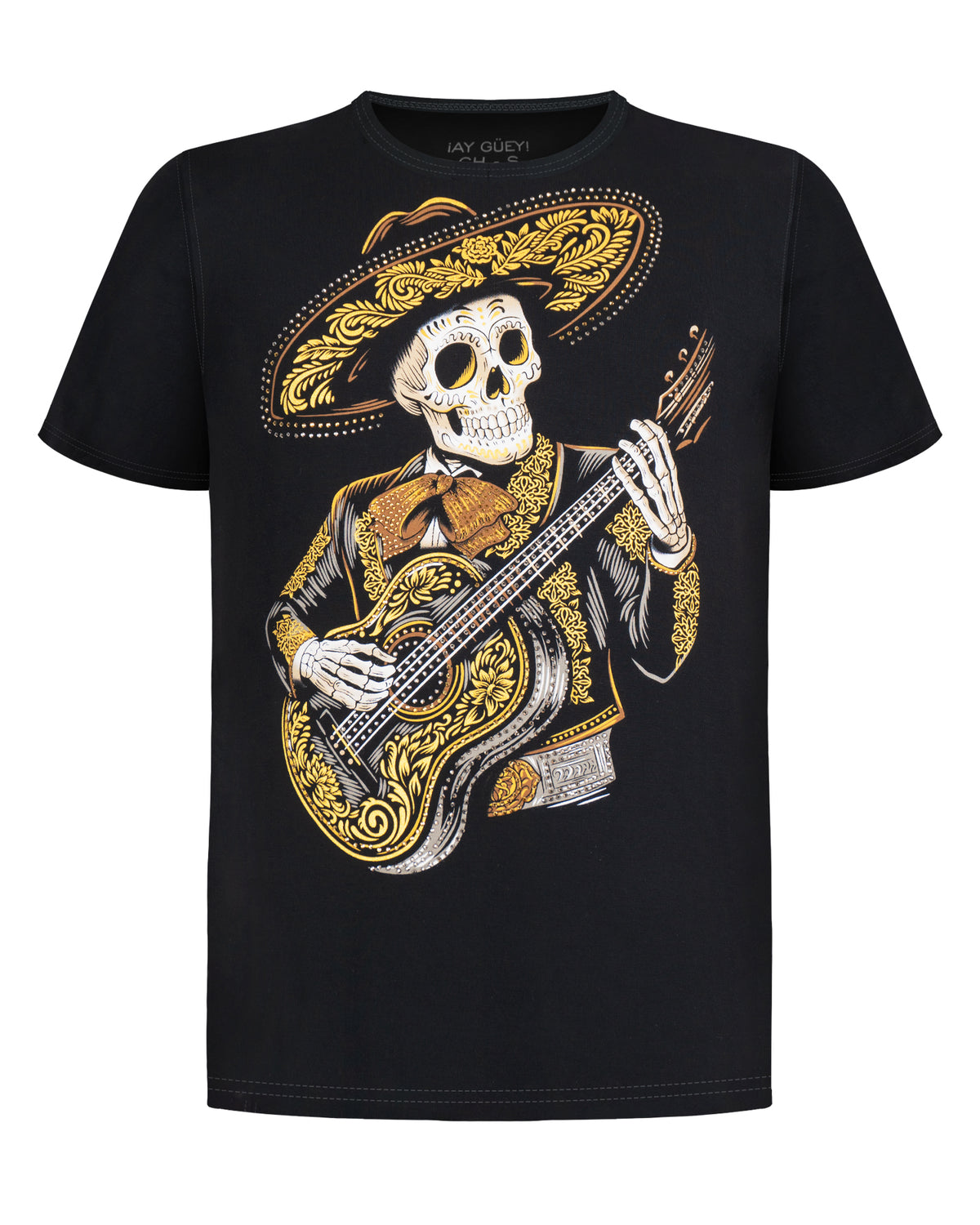
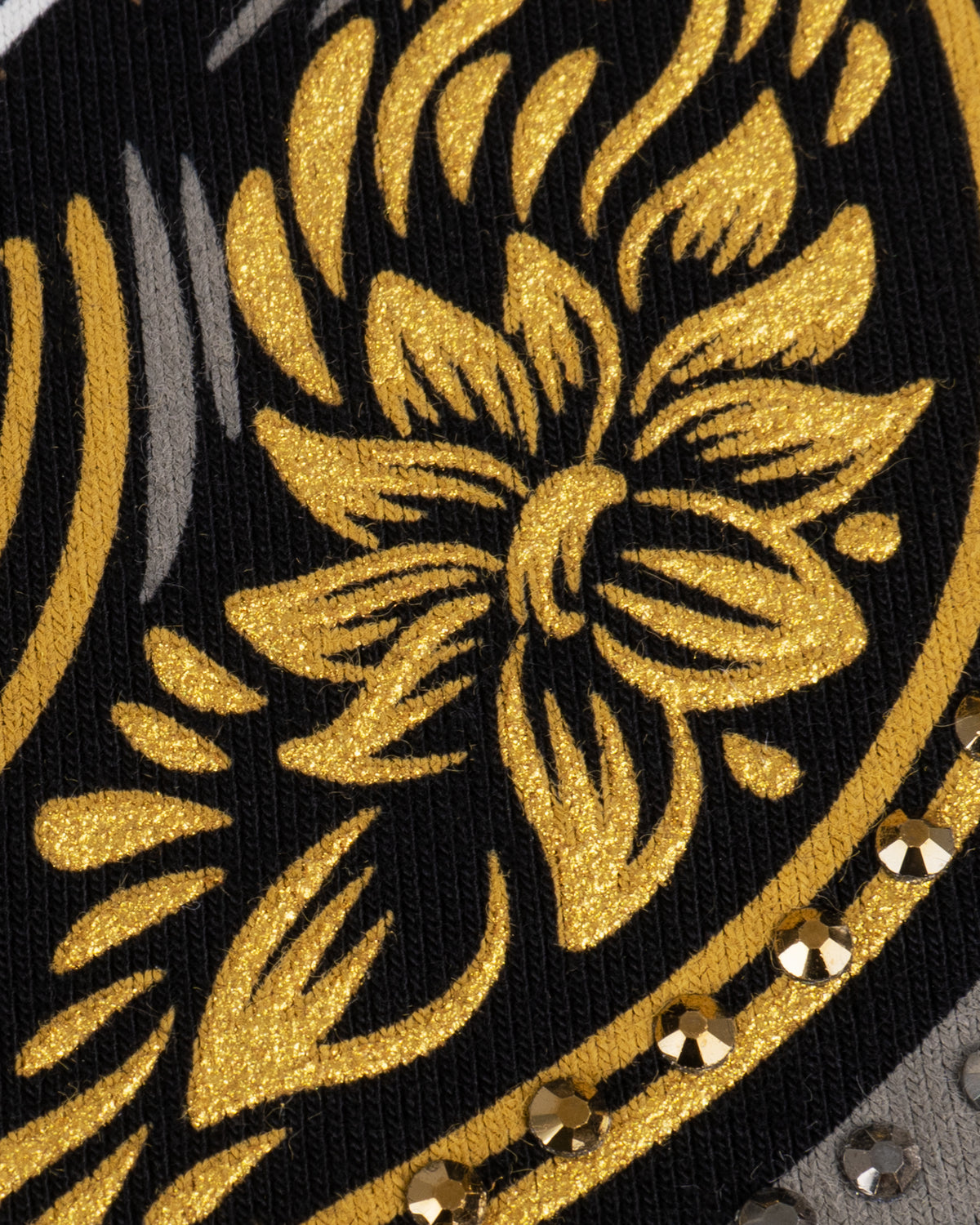
For us, that is the benchmark. The mask is not a graphic effect you print on a shirt; it is a symbol with weight. That is why our lucha libre designs are made in Mexico, with the luchadores and with respect for what their masks stand for – as HD gel print, rhinestones and gold print, applied by hand.

Lucha libre collection · More about Tinieblas Jr. and Blue Demon Jr.